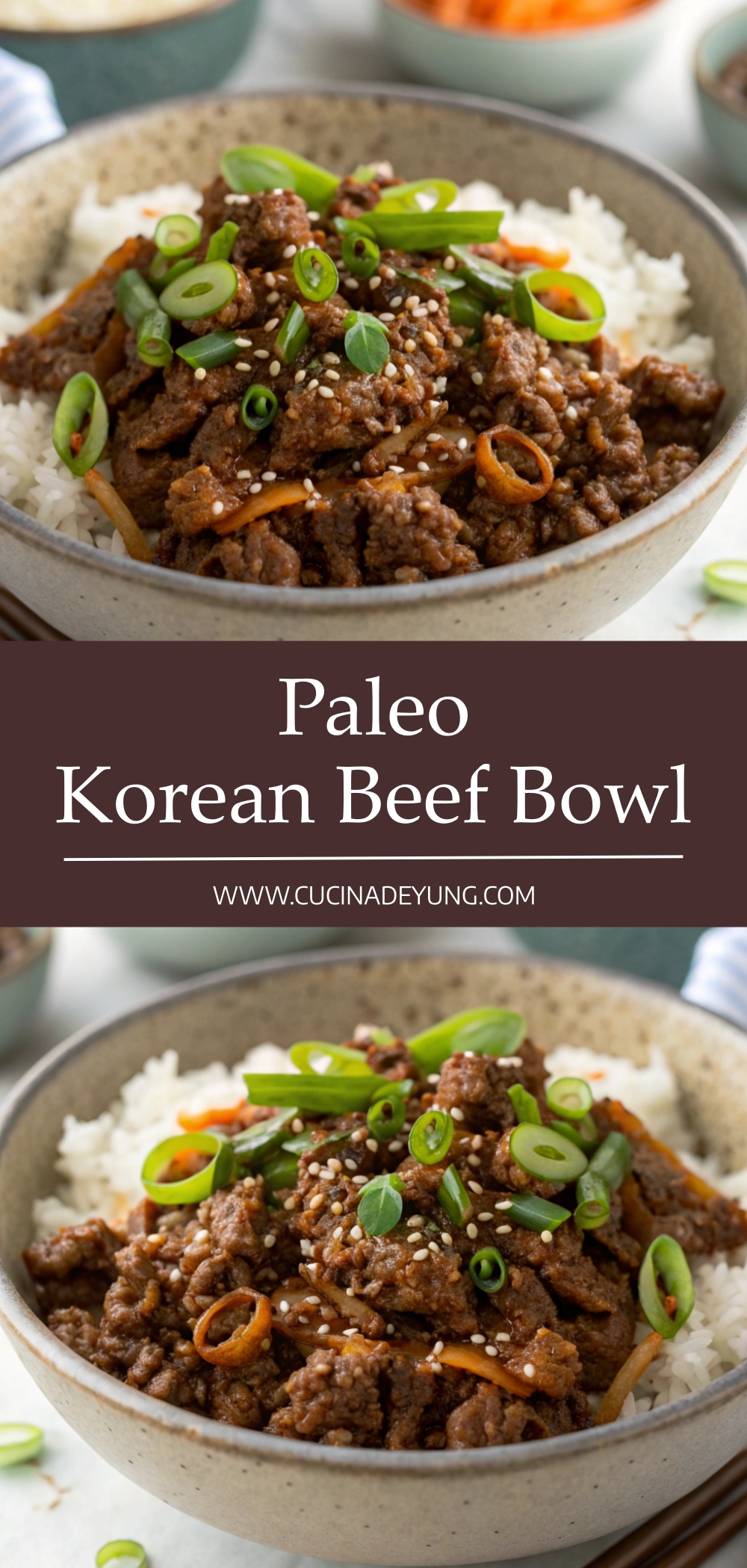
When you are craving the iconic, bold flavors of Korean BBQ but need a meal that fits within a clean-eating framework, this Paleo Korean Beef Bowl is the ultimate solution. This recipe reimagines the classic “Bulgogi” flavor profile by using grass-fed ground beef and coconut aminos—a soy-free, lower-glycemic alternative to traditional soy sauce. Infused with freshly grated ginger and toasted sesame oil, this dish delivers a rich umami experience that is both satisfying and incredibly fast to prepare. It is a “staple” recipe for those who value high-quality protein and vibrant aromatics without the inflammatory ingredients often found in takeout.
Why You Will Love This Recipe
You will love this recipe because it is a “15-minute wonder” that requires zero complex prep or marinating time. The combination of red pepper flakes for a subtle kick and coconut aminos for a natural, caramel-like sweetness creates a perfectly balanced sauce that clings to every morsel of beef. It is an exceptionally budget-friendly Paleo meal, as ground beef is often more accessible than steak cuts, yet it delivers a high-end flavor experience. Plus, it is highly customizable for Whole30 compliance; simply swap the traditional white rice for cauliflower rice to keep your dinner entirely grain-free and nutrient-dense.
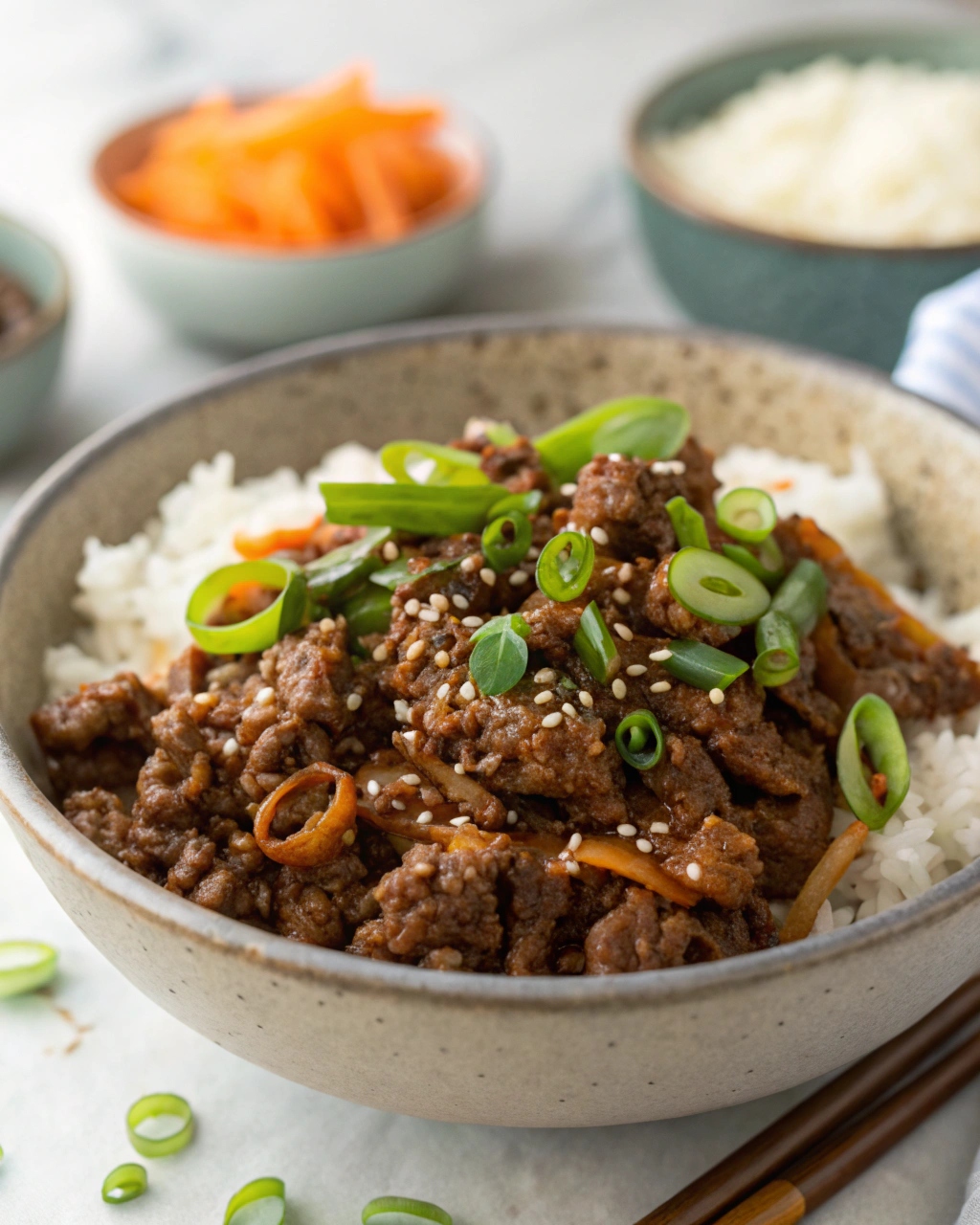
Paleo Korean Beef Bowl
If you are looking for the absolute best ground beef Paleo recipes that don’t feel like a standard burger or meatloaf, this Korean Beef Bowl is going to revolutionize your meal rotation. This recipe is a favorite in the Whole30 community because it provides that “sweet and savory” fix without using refined sugars or legumes. In the world of healthy Asian-inspired cooking, finding a balance between speed and authenticity is key, and this dish hits the mark perfectly. It is the ideal occasion-based recipe for a frantic Monday evening, a high-protein post-workout meal, or a bulk-cooking session for your weekly lunch meal prep.
The foundation of this Nutrient-Dense Stir-Fry starts with high-quality grass-fed ground beef. Because the meat is the star of the show, choosing a grass-fed option ensures you are getting a better ratio of Omega-3 fatty acids and a deeper, more “beefy” flavor. This pro-cooking tip is essential: using toasted sesame oil at the beginning of the cooking process doesn’t just prevent sticking; it perfumes the meat from the inside out, providing that signature nutty aroma that defines Korean cuisine. This culinary technique turns a simple pan of ground meat into a sophisticated, aromatic base.
What sets this Soy-Free Korean Beef apart is the use of coconut aminos. If you are transitioning away from soy, coconut aminos are your best friend—they offer a similar saltiness but with a much lighter, slightly sweeter finish that mimics the brown sugar found in traditional recipes. This is a brilliant kitchen hack for Paleo cooking, as it allows you to skip the sweeteners entirely while still achieving a glossy, dark sauce. When combined with freshly grated ginger, the aminos create a “glaze” that reduces in the pan, coating the beef in a rich, concentrated flavor that is absolutely addictive.
For those focusing on functional nutrition, the inclusion of fresh ginger and garlic powder offers more than just flavor—they are powerhouses for digestion and immune support. This clean-eating meal is designed to be low-effort but high-impact, proving that you don’t need a pantry full of specialty sauces to create a complex dish. By using red pepper flakes, you have total control over the heat level, allowing you to scale up for a spicy “Szechuan” vibe or keep it mild for a family-friendly dinner. It’s a masterclass in pantry-staple cooking where every ingredient serves a dual purpose of health and taste.
The versatility of this One-Pan Beef Bowl makes it one of the easiest meal prep ideas for busy families. The cooked beef actually improves in flavor after a day in the fridge, making it a fantastic “reheat-and-go” option. Many home cooks consider this their “go-to” emergency dinner because it relies on items that have a long shelf life, like frozen ground beef and jarred spices. It removes the friction of healthy eating by being faster than the time it takes for a delivery driver to arrive at your door. This efficient cooking method is the secret to staying consistent with your Paleo or Whole30 goals.
When we talk about gut-friendly diets, skipping the soy and grains can make a massive difference in how you feel post-meal. By serving this beef over cauliflower rice, you are adding a significant serving of cruciferous vegetables to your day without even trying. This nutritional strategy is why many people find the “beef bowl” format to be the most sustainable way to eat low-carb. It provides the “bulk” of a meal without the heavy, lethargic feeling that often follows a high-starch dinner. It’s a high-energy meal that fuels your body for whatever comes next.
The cooking process is a simple lesson in aromatic browning. Cooking the beef on medium heat ensures that it browns without burning the delicate sesame oil. This flavor-layering technique ensures that the spices—garlic and onion powder—bloom in the rendered fat of the beef, creating a savory foundation before the liquid aminos are added. Even though it is a fast 15-minute meal, the five-minute simmer at the end is crucial; it allows the beef to soak up the sauce, ensuring the flavor isn’t just on the surface but deeply infused into every grain of meat.
If you are following a strict Whole30 program, the “bowl” is your canvas for extra vegetables. You can easily toss in some shredded carrots, bell peppers, or snap peas during the final simmer for a complete “one-pan stir-fry.” This customizable recipe base encourages you to “eat the rainbow,” allowing you to adapt the dish based on what’s seasonal or currently in your crisper drawer. It is a perfect example of how a simple flavor profile—salty, sweet, and spicy—can be the foundation for endless healthy dinner variations.
Ultimately, this Paleo Korean Beef Bowl is about bringing international, restaurant-quality flavor into your home with zero stress. It bridges the gap between functional meal prepping and the pleasure of a hot, savory meal. Whether you are a seasoned Paleo pro or just starting your first Whole30 challenge, this recipe is a guaranteed win. It is a comforting, savory experience that proves you don’t have to sacrifice flavor to maintain a wellness-focused lifestyle. It is a must-have for anyone who loves big flavors and fast results.
Servings & Time
-
Servings: 4–6 people
-
Prep Time: 5 minutes
-
Cook Time: 13–15 minutes
-
Total Time: Approx. 20 minutes
Ingredients
-
2 lbs Grass-Fed Ground Beef
-
1 tbsp Toasted Sesame Oil
-
2 inches Fresh Ginger, peeled and grated
-
1 tsp Red Pepper Flakes (adjust for spice level)
-
1 tsp Sea Salt
-
1 tsp Garlic Powder
-
1 tsp Onion Powder
-
1/2 cup Coconut Aminos (Soy-free soy sauce alternative)
-
Optional Garnish: Sliced Scallions and Sesame Seeds
Instructions
-
Start the Beef: In a large skillet over medium heat, add the ground beef and the toasted sesame oil.
-
Season and Brown: As the beef begins to cook, add the grated ginger, red pepper flakes, salt, garlic powder, and onion powder.
-
Break it Up: Use a wooden spoon to break the meat into small crumbles. Continue cooking until the beef is fully browned and no longer pink, about 8 minutes.
-
The Glaze: Pour in the coconut aminos. Stir well to combine and let the mixture simmer for another 5 minutes. The liquid will reduce slightly and create a savory glaze over the meat.
-
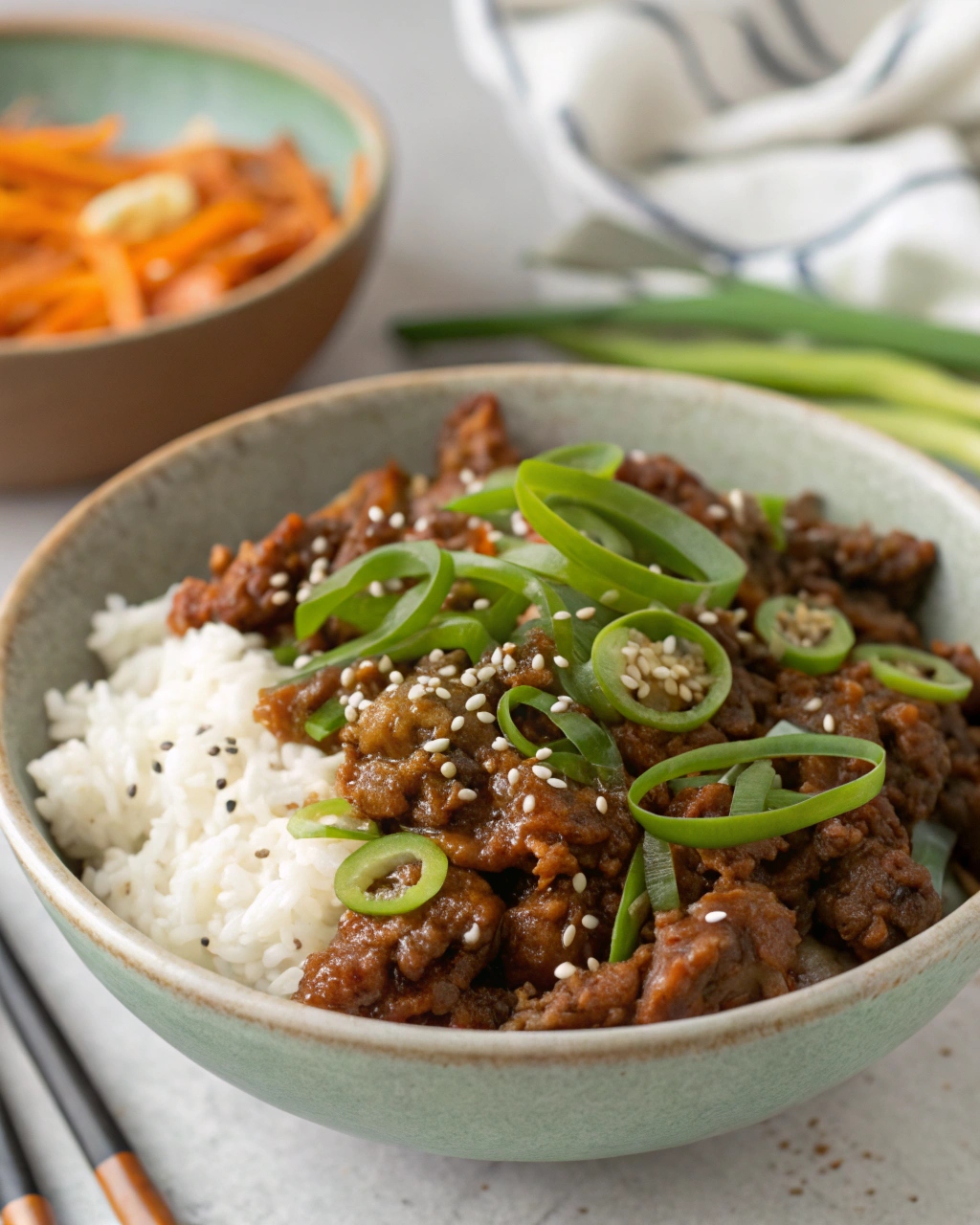
Assemble: Serve the beef while hot. For a traditional Paleo meal, serve over white rice. For Whole30 compliance, serve over cauliflower rice.
-
Garnish: Top with plenty of fresh scallions and a sprinkle of sesame seeds for that authentic Korean BBQ look.
Tips
-
Fresh is Best: While powdered ginger works in a pinch, using fresh grated ginger is the secret to that bright, zingy “restaurant” flavor.
-
Drain Excess Fat: If your ground beef has a high fat content (like 80/20), you may want to drain a bit of the excess grease before adding the coconut aminos to keep the sauce from becoming too oily.
-
Add Veggies: Want to make it a complete one-pan meal? Toss in a bag of coleslaw mix (shredded cabbage and carrots) during the last 5 minutes of cooking for a “Crack Slaw” variation.
-
Storage: This beef stores beautifully in the fridge for up to 4 days, making it one of the best recipes for weekly meal prep.
Paleo Korean Beef Bowl
Ingredients
- 2 lbs Grass-Fed Ground Beef
- 1 tbsp Toasted Sesame Oil
- 2 inches Fresh Ginger peeled and grated
- 1 tsp Red Pepper Flakes adjust for spice level
- 1 tsp Sea Salt
- 1 tsp Garlic Powder
- 1 tsp Onion Powder
- 1/2 cup Coconut Aminos Soy-free soy sauce alternative
- Optional Garnish: Sliced Scallions and Sesame Seeds
Instructions
- Start the Beef: In a large skillet over medium heat, add the ground beef and the toasted sesame oil.
- Season and Brown: As the beef begins to cook, add the grated ginger, red pepper flakes, salt, garlic powder, and onion powder.
- Break it Up: Use a wooden spoon to break the meat into small crumbles. Continue cooking until the beef is fully browned and no longer pink, about 8 minutes.
- The Glaze: Pour in the coconut aminos. Stir well to combine and let the mixture simmer for another 5 minutes. The liquid will reduce slightly and create a savory glaze over the meat.
- Assemble: Serve the beef while hot. For a traditional Paleo meal, serve over white rice. For Whole30 compliance, serve over cauliflower rice.
- Garnish: Top with plenty of fresh scallions and a sprinkle of sesame seeds for that authentic Korean BBQ look.
Notes
- Fresh is Best: While powdered ginger works in a pinch, using fresh grated ginger is the secret to that bright, zingy "restaurant" flavor.
- Drain Excess Fat: If your ground beef has a high fat content (like 80/20), you may want to drain a bit of the excess grease before adding the coconut aminos to keep the sauce from becoming too oily.
- Add Veggies: Want to make it a complete one-pan meal? Toss in a bag of coleslaw mix (shredded cabbage and carrots) during the last 5 minutes of cooking for a "Crack Slaw" variation.
- Storage: This beef stores beautifully in the fridge for up to 4 days, making it one of the best recipes for weekly meal prep.